Canadian Northern Research Basins Committee
About Us
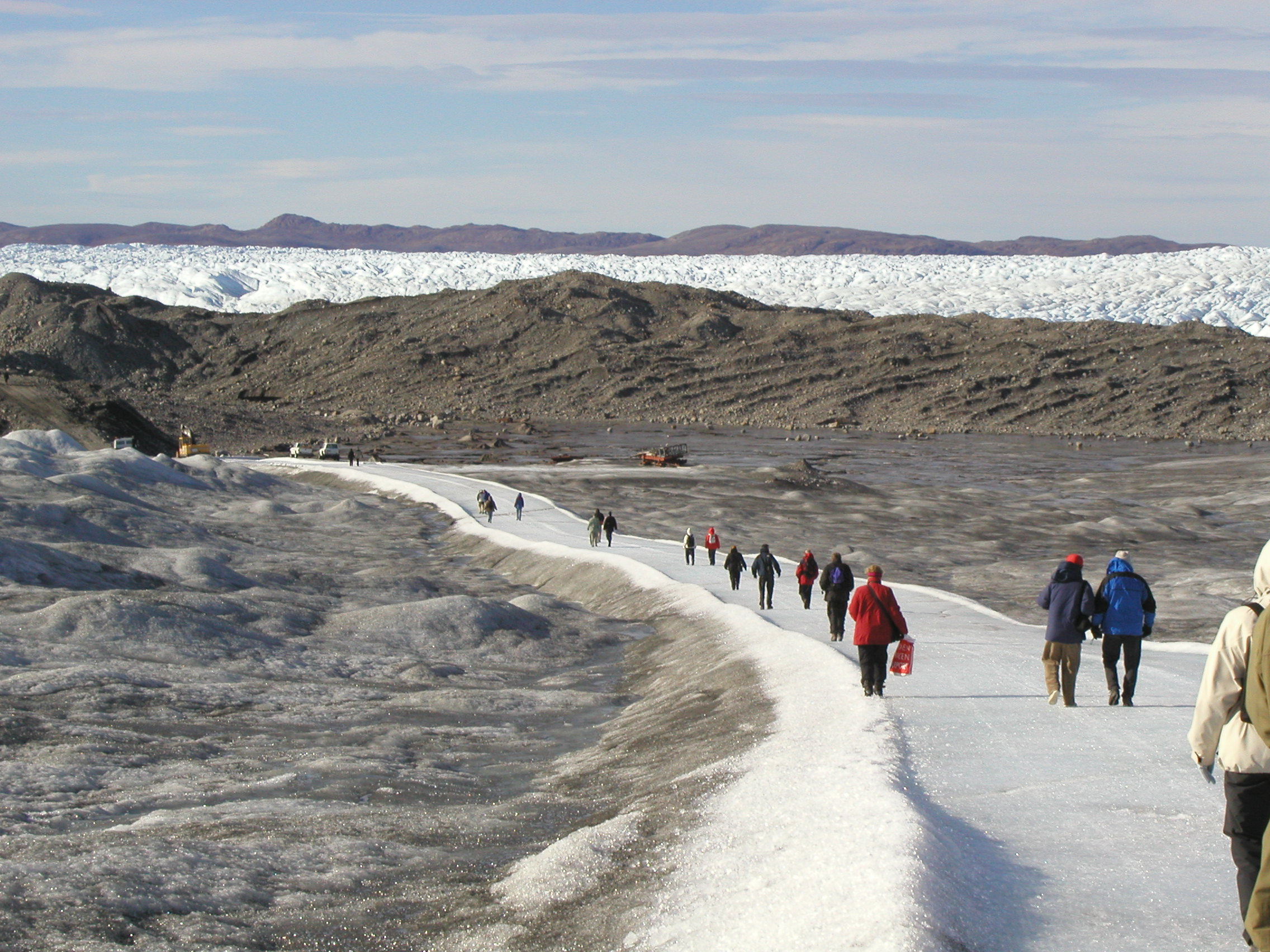
In 1975, the National Committees of the International Hydrological Programme (IHP) for Canada, Denmark, Finland, Norway, Sweden, the U.S.A. and the U.S.S.R. established the Working Group on Northern Research Basins. In 1992, Iceland joined the group.
The Canadian NRB Working Group functioned under the umbrella of the Associate Committee on Hydrology (ACH). The ACH was disbanded in the early 1990's and many NRB delegates and scientists, who contribute scientific papers and attend NRB meetings regularly, think that a home for Canada's NRB Working Group would be beneficial. The preferred organization for NRB association is the Canadian Geophysical Union-Hydrology Section.
The CGU-HS (formed in 1993) has served the hydrological community well, resulting in more visibility and a forum for Canadian hydrologists to exchange scientific data and new ideas. Many of the CGU-HS meetings have focused on issues related to northern hydrology and this has broadened the scientific interest in northern hydrological research. The CGU has also provided a structure with technical and scientific support for hydrological science advancement and this organization would be most complementary to northern research basin work in Canada and internationally.
Research Objectives
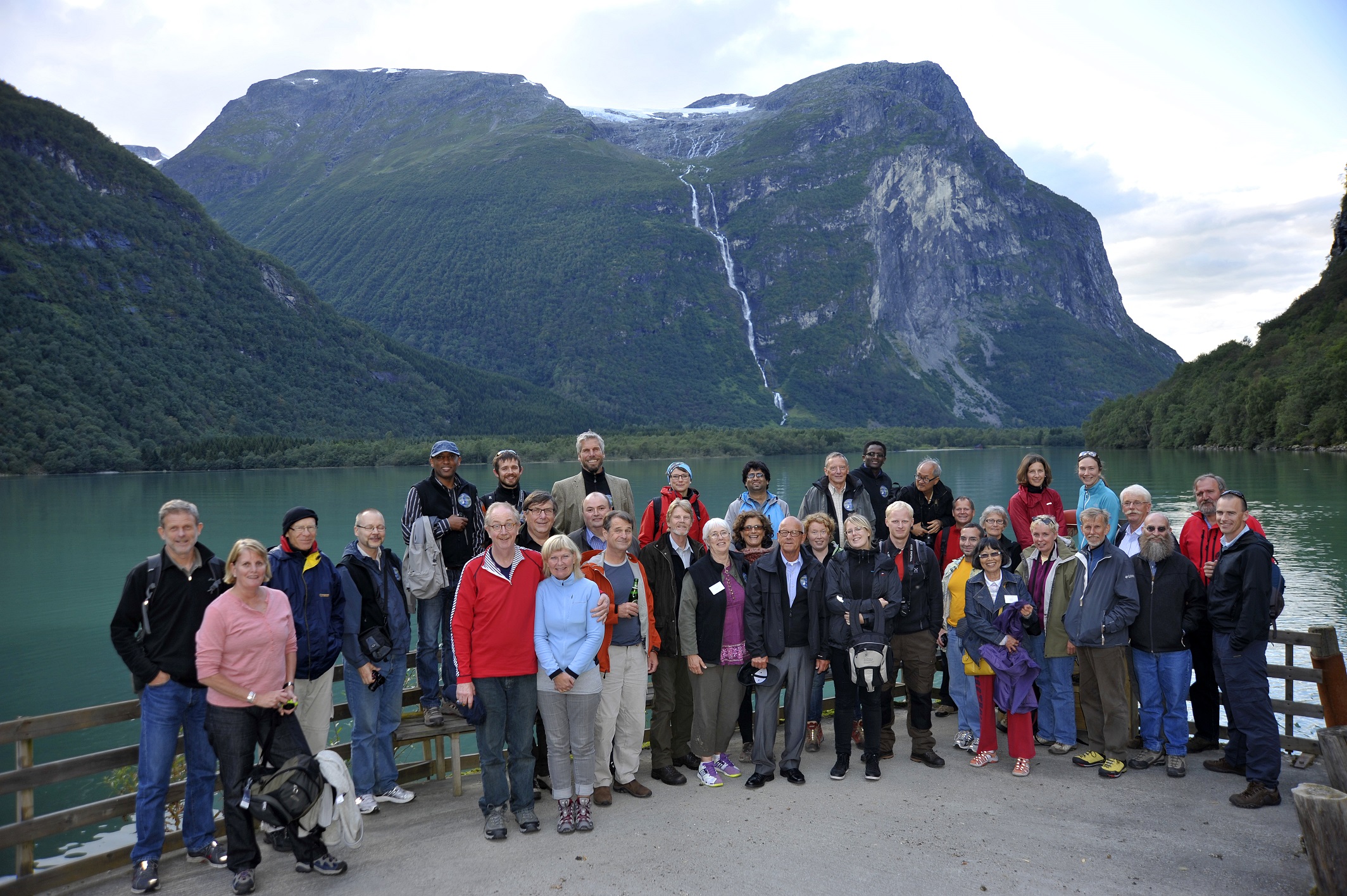
The role of the NRB is to encourage research on the hydrology of basins in northern latitudes where snow, ice and frozen ground play a dominant role. Eleven highly successful symposia have been held in the various circumpolar countries: Sweden (1975); Fairbanks, U.S.A. (1977); Quebec City, Canada (1979); Ullensvang, Norway (1982); Viermaki, Finland (1984); Houghton, U.S.A. (1986); Illulissat, Greenland (1986); Abisko, Sweden (1990); Whitehorse/Inuvik, Canada (1992); Svalbard, Norway (1994); Prudhoe Bay/Fairbanks, U.S.A. (1997); Reykjavik/Kirkjubærklaustur, Iceland (1999): Saarisälkä, Finland / Murmansk, Russia (2001); Kangerlussuaq, Greenland/Denmark (2003), Luleå/Kvikkjokk, Sweden (2005), Karelia, Russia (2007); the Eastern Arctic, Canada (2009); Norway, (2011), Alaska, U.S.A. (2013), Kuusamo, Finland (2015), Yakutsk, Russia (2017), and the 22nd NRB was held in Yellowknife, Canada (2019).
The NRB working groups normally meets every two years with the meetings consisting of two parts: a symposium, at which formal papers are presented, and a workshop at which special issues of international interest are considered and task-force reports presented. Membership of the working group is open to all countries with land territories lying north of the Arctic Circle. Each member country can send up to ten delegates to a NRB meeting and the host country can nominate additional members as observers. Each country designates a Chief Delegate responsible for assembling delegates and observers and representing their country's interest through discussions with other delegates at NRB meetings and throughout the period of appointment. Other non-member countries regularly send observers to NRB meetings.
The objectives of the NRB Working Group are:
-
- to gain a better understanding of hydrologic processes, particularly those in which snow, ice and frozen ground have a major influence on the hydrological regime, and to determine the relative importance of each component of the water balance;
- to provide data for the development and testing of transposable models which may be applied to regional, national and international water and land resource programmes;
- to relate hydrologic processes to the chemical and biological evolution of northern basins;
- to assess and predict the effect of human activities on the hydrological regime in northern environments;
- to encourage the exchange of personnel (technicians, scientists, research officers and others) among participating countries;
- to provide information for the improvement and standardization of measurement techniques and network design in northern regions;
- to encourage the exchange of information on a regular basis; and,
- to set up task forces to promote research initiatives on topics of special interest to northern research basins.
-
The proceedings of the symposium/workshop are published and are available from the National Hydrology Research Institute. Task force reports which deal with topics related to northern Hydrology and, written by international teams selected from NRB workshops, are also available. In addition, the international journal Nordic Hydrology selects scientific papers (following scientific peer review) from NRB meetings and publishes these submissions as special issues.
CANADIAN NRB COMMITTEE
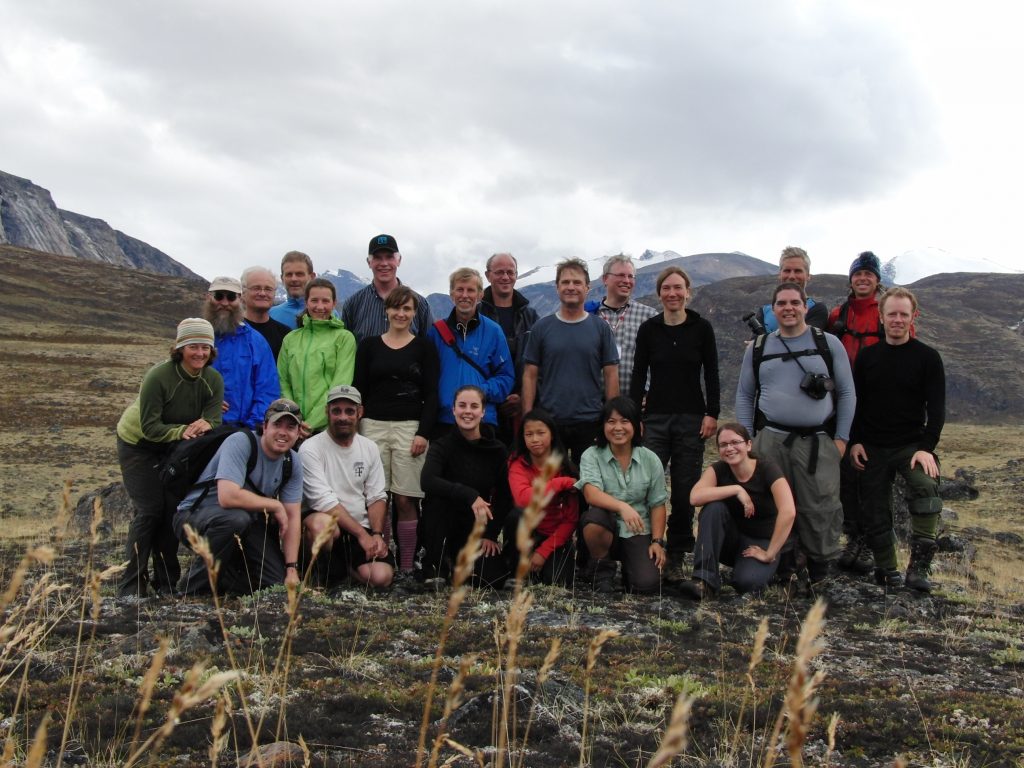
The Canadian delegation consists of a Chief Delegate, a Deputy Chief Delegate and a maximum of 8 other delegates. During a year when the Symposium/Workshop is held in Canada, the delegation may nominate additional attendants as observers. The delegation will represent Canadian interest in scientific research related to the hydrology of northern drainage basins where ice, snow and frozen ground play a dominant role. As each Symposium/Workshop has special themes, the Canadian delegation should, as much as possible, reflect Canadian expertise with respect to the theme topics of the meeting.
The Delegates:
The Canadian delegates to each NRB Symposium/Workshop will be nominated by the Chief Delegate, and the appointments would be approved by the executive of the Canadian Geophysical Union-Hydrology Section. Each delegate will represent Canada at the Symposium/Workshop by presenting the results of research on northern hydrological processes carried out in Canada; by actively participating in the workshop; and, by supporting the Chief Delegate in making representation to the international meeting. After the Symposium/Workshop, each delegate is expected to provide a report of his/her presentation and comments on the meeting to the Chief Delegate.
The Chief Delegate:
The Chief Delegate will serve for no more than two consecutive terms, with each term including a Symposium/Workshop and the period until one year before the next Symposium/Workshop. The Chief Delegate is normally a hydrologist selected from a government agency, crown corporation, university or the private sector. Each Chief Delegate will be assisted by a deputy. The appointments of the Chief Delegate and the Deputy Chief Delegate are to be approved by the Canadian Geophysical Union-Hydrology Section executive.
The Chief Delegate will:
-
-
- Head the Canadian delegation to the NRB Symposium/Workshop;
- Appoint delegates to the NRB Symposium/Workshop;
- Represent Canadian interests in northern hydrology to the international hydrological communities both during the Symposium/Workshop and in the period between meetings;
- Liaise with the Chief Delegates of the other member countries and foster international collaborative research activities;
- Inform the Canadian hydrologic community of NRB activities, including submission of a report on the NRB meetings to the Canadian Geophysical Union-Hydrology Section and the announcement of NRB meetings; and
- Submit minutes of meetings, relevant correspondence and materials to the library of the National Hydrology Research Institute (NHRI) for archiving
-
Terms of Reference for the Canadian NRB Delegates
-
-
- Appointment as an official Canadian delegate to the Northern Research Basin Symposium/Workshop is based on a delegate's expertise in an area important to cold region hydrology, particularly to one of the themes of the forthcoming meeting.
- Appointment is for a two year period, starting six months prior to the forthcoming NRB meeting.
- Each delegate is to assist the Chief Delegate in developing and articulating Canadian positions with regard to issues arising before, during and after the NRB meeting.
- Each delegate is to contribute to the working session through, for example, participation in special task groups of the NRB, through discussion and chairing sessions or task forces, etc.
- Within one month after the NRB meeting, each delegate will provide a written report to the Chief Delegate on personal views and recommendations regarding the NRB meeting and matters arising from the meeting.
-
Benefits of NRB Group Joining CGU-HS
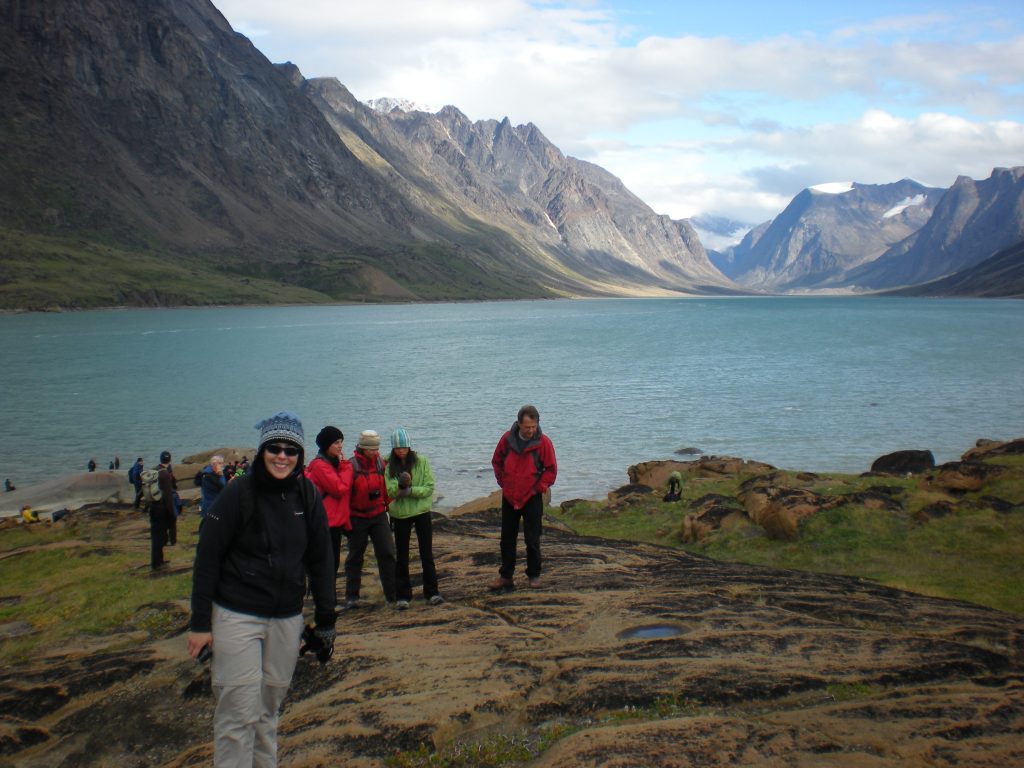
The association between the Canadian hydrological community and the Canadian Geophysical Union has been most beneficial and has increased the exposure and promoted hydrological research within Canada as a geophysical science.
Objectives of the NRB working group and the CGU-HS are complementary and it is anticipated that areas of mutual interest can be advanced. The NRB committee would:
-
- Be under the CGU-HS umbrella which would provide a home for northern hydrology research in Canada;
- Organize Canadian Delegation to NRB Meetings;
- Promote Canadian involvement in NRB Taskforces;
- Organize sessions at the CGU-HS annual meeting with a focus on northern hydrology; and,
- Communicate NRB activities and show importance of northern research for understanding climate and global circulation patterns.